
Introduction
Prototype PCB assembly is at the heart of modern electronics development. Every smart device, industrial machine, or connected system begins with a prototype that tests how well a circuit performs before full production. Today, companies like FastTurn PCB are helping engineers and product designers speed up innovation by offering faster, more accurate, and more flexible assembly solutions. This shift is making the entire development cycle more efficient and cost-effective, especially for startups and high-tech industries.
In the past, prototype PCB assembly was slow and required long waiting times for testing and revisions. Now, with advanced manufacturing methods and digital tools, engineers can quickly design, build, and test new boards. This change has opened the door for rapid innovation in fields like IoT, automotive electronics, medical devices, and consumer gadgets. FastTurn PCB and similar providers are leading this transformation by focusing on speed, precision, and reliability in every prototype stage.
Digital transformation and automation in prototype PCB assembly
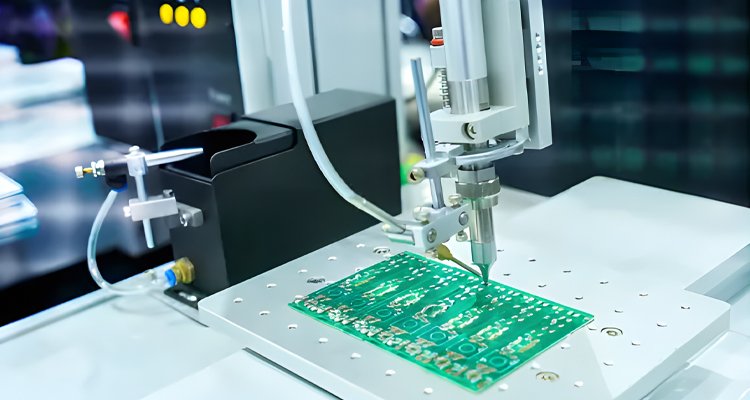
Digital transformation has completely changed how prototype PCB assembly is done. Modern factories now use automated machines for pick-and-place components, soldering, and inspection. This reduces human error and improves consistency in every board produced. As a result, engineers can trust that their prototypes will perform closer to final production quality, saving time during testing phases.
Automation also allows companies like FastTurn PCB to handle complex designs with higher efficiency. With advanced software controlling the assembly process, manufacturers can quickly adjust to design changes without slowing down production. This flexibility is essential in today’s fast-moving electronics industry, where even small improvements can lead to major product advantages.
Rise of fast-turn and on-demand manufacturing services
One of the biggest trends in prototype PCB assembly is the rise of fast-turn and on-demand services. Businesses no longer want to wait weeks for prototypes. Instead, they expect quick delivery to stay ahead in competitive markets. FastTurn PCB has become part of this movement by offering rapid turnaround solutions that help engineers test ideas in record time.
On-demand manufacturing also reduces waste and unnecessary costs. Companies only produce what they need, when they need it. This approach is especially helpful for startups and small businesses working with limited budgets. With faster prototype cycles, engineers can make improvements quickly and move from concept to final product much faster than before.
Advanced materials and HDI designs in modern prototypes
Modern prototype PCB assembly now uses advanced materials that improve performance and durability. High-density interconnect (HDI) designs allow more components to fit into smaller spaces, which is essential for today’s compact electronics like smartphones and wearable devices. These advanced designs help improve signal speed and reduce interference.
FastTurn PCB and other manufacturers are adopting these materials to meet growing industry demands. Using better substrates, copper layers, and insulation materials ensures prototypes are more reliable during testing. As devices become smaller and more powerful, HDI technology plays a key role in making sure prototype PCBs can support complex functions without failure.
Integration of AI and smart design verification tools
Artificial intelligence is becoming a powerful tool in prototype PCB assembly. AI-based software can now detect design errors before the manufacturing process begins. This helps engineers fix problems early, reducing costly revisions and delays. Smart verification tools also improve layout optimization for better performance and efficiency.
FastTurn PCB and other modern manufacturers are using AI-driven systems to improve accuracy and speed. These tools analyze thousands of design possibilities and suggest the best solutions for signal flow, heat management, and component placement. This makes prototype PCB assembly more reliable and reduces the chances of failure during testing.
Sustainability and eco-friendly PCB manufacturing trends
Sustainability is becoming a major focus in prototype PCB assembly. Manufacturers are now looking for ways to reduce waste, recycle materials, and lower energy consumption during production. Eco-friendly soldering materials and lead-free processes are becoming standard in many modern facilities.
FastTurn PCB is also part of this green movement by adopting more sustainable manufacturing practices. Reducing harmful chemicals and improving energy efficiency helps protect the environment while still delivering high-quality prototypes. As environmental regulations become stricter, sustainable PCB production will continue to grow in importance across the electronics industry.
Industry applications driving prototype PCB innovation
Many industries are driving innovation in prototype PCB assembly. The automotive sector uses prototypes to test electric vehicle systems, sensors, and control units. In healthcare, medical devices rely on precise PCB prototypes to ensure patient safety and accurate performance. Consumer electronics companies also depend on fast prototyping to launch new gadgets quickly.
FastTurn PCB supports these industries by providing flexible and reliable prototype solutions. From IoT devices to industrial automation systems, prototype PCB assembly helps engineers test and refine ideas before mass production. This ensures better product quality, fewer errors, and faster time-to-market for new technologies.
Conclusion
Prototype PCB assembly has evolved into a highly advanced and efficient process that supports rapid innovation across industries. With the help of automation, AI tools, advanced materials, and fast-turn services like FastTurn PCB, engineers can now bring ideas to life faster than ever before. These improvements are reshaping how electronic products are designed, tested, and launched in the global market.
As technology continues to grow, prototype PCB assembly will become even more precise, sustainable, and intelligent. Companies that adopt these modern trends will stay ahead in the competitive electronics industry. The future of innovation depends on how quickly and effectively prototypes can be developed, tested, and refined into final products that power everyday life.


Leave a Comment