

Visibility today is no longer about physical placement but rather how products fare on digital shelves. In this new retail landscape, where online marketplaces and e-commerce websites have emerged as major shopping destinations, digital shelf analytics has grown as a go-to tool for any brand in order to stay competitive. It helps them understand how their products appear, perform, and compare against their competitors in the online marketplace.
Digital Shelf Analytics: How It Works
Digital Shelf Analytics involves monitoring and analysing a brand’s product representation on e-commerce platforms, including visibility, price, content accuracy, ratings, availability, and search share. To the brand, this insight will turn into actionable data that helps in the improvement of online performance and consumer engagement.
In other words, digital shelf analytics bridges the gap between consumer behaviour and the performance of your product. It helps firms make certain that their virtual appearance is in line with market expectations, including brand aspirations.
Why Digital Shelf Analytics Matters
The e-commerce marketplace is exceptionally crowded and dynamic, with products competing not only on price but also on visibility, quality of content, and relevance to algorithms. There is no way that brands can afford to make assumptions when algorithms, customer preferences, and competitive pricing change daily.
Analytics can help corporations in:
- Identify which products are gaining or losing visibility.
- Identify pricing inconsistencies and unauthorised sellers.
- Understand customer sentiment from reviews and ratings.
- Assess how promotional activities impact performance.
Better decision-making leads to improved profitability, better brand consistency, and, importantly, optimisation of marketing investments.
Benefits of Digital Shelf Analytics
Improved Visibility and Conversion
Understanding how and where products show up in search results helps brands optimise their titles, keywords, and descriptions. Typically, increased visibility means higher conversion rates.
Competitive Intelligence in Real Time
With Digital Shelf Analytics, competitors’ comparisons are provided in real-time. The brands will see the prices, stock levels, and campaigns that your competitors are offering and react quickly to the fluctuations in the market.
Improved Product Content Accuracy
Consistent and accurate product listings are important. Analytics tools spot content gaps: where images might be missing, descriptions are outdated, or specs might not be correct-all factors that influence conversion.
Price and Promotion Optimisation
Analytics will let brands keep track of pricing across varied platforms to make sure their brand remains competitive, without eating into the margins. This also allows them to measure how well promotions drive sales.
Improved Customer Experience
Reviews and ratings provide firms with very valuable feedback, which can be analysed to identify repeating patterns and help improve quality and customer satisfaction.
Digital Shelf Analytics and Business Strategy Integration
The secret to making the most of digital shelf analytics lies not in collecting data but in interpreting and implementing such information. Insights from this space should be directly feeding into the marketing, sales, and supply chain strategies of a brand.
For instance, the product that is regularly out of stock might indicate that there is some sort of problem in demand forecasting. On the other hand, a falloff in search ranking would indicate the need for better keyword optimisation or freshening up the product content.
Together with general business analytics software, digital shelf analytics becomes part of a system driving decision-making in every function of the organisation. Visibility into performance metrics that directly influence sales becomes beneficial for everything from marketing to logistics.
Choosing the Right Digital Shelf Analytics Providers
Choices among the growing roster of digital shelf analytics providers depend on a number of factors, including data accuracy, integration capabilities, reporting flexibility, and ease of use. The good ones provide full dashboards, tracking of competitors, and actionable recommendations-not just raw data.
Moreover, businesses should take into consideration whether the analytics tool is integrated into current e-commerce systems or business analytics software for smoother operations and a better strategic fit across functions.
Key Features to Look for in a Digital Shelf Analytics Tool
While specific needs might differ, most brands benefit from tools that can provide the following:
- Real-time tracking of products across marketplaces.
- Keyword performance and share of search reports.
- Content compliance checks.
- Competitor price benchmarking.
- Customer sentiment and review analysis.
AI-driven automation in tools stands to empower brands with predictive insights that course-correct before performance issues even begin.
The Role of Paxcom in Digital Shelf Analytics
Among the leading digital shelf analytics providers, Paxcom offers a solution for today’s data-driven retail landscape with its tool Kinator. Kinator gives brands a full overview of their online product performance across multiple e-commerce platforms.
By applying advanced analytics, Paxcom lets brands track visibility, monitor pricing consistency, and benchmark performance against their competitors. Plus, the platform integrates seamlessly with internal business analytics software, so insights from the digital shelf flow directly into strategic planning and marketing optimisation.
Brands using Paxcom’s Kinator can identify missed opportunities, detect unauthorised sellers, and improve their share of search. In this kind of data-driven approach, businesses can make agile and well-informed decisions which will drive great improvements in online visibility and efficiency in driving sales.
Building a Successful Digital Shelf Strategy
A great strategy marries analytics with action. And the brand should continue to gauge performance data against changing consumer behaviour, evolving algorithms, and dynamic competitive sets in the marketplace. A few of the key practices that would be involved include:
- Ongoing Monitoring: Review analytics dashboards on a regular basis to observe changes in visibility and rankings.
- Data-Driven Adjustments: Update keywords, pricing, and product content based on analytical insights.
- Interdepartmental Collaboration: Ensure marketing, sales, and supply chain teams take action on insights for continuous performance optimisations.
- Customer Sentiment Focus: Think of reviews as strategic data, not just feedback.
Continuously refining all these aspects will help the brand stand out on the digital shelf.
Conclusion
Digital shelf analytics are no longer a nice-to-have investment but rather an absolute necessity if a business desires to be truly competitive online. It provides the required visibility and intelligence to understand how consumers interact with products, how competitors behave, and how strategies need to evolve.
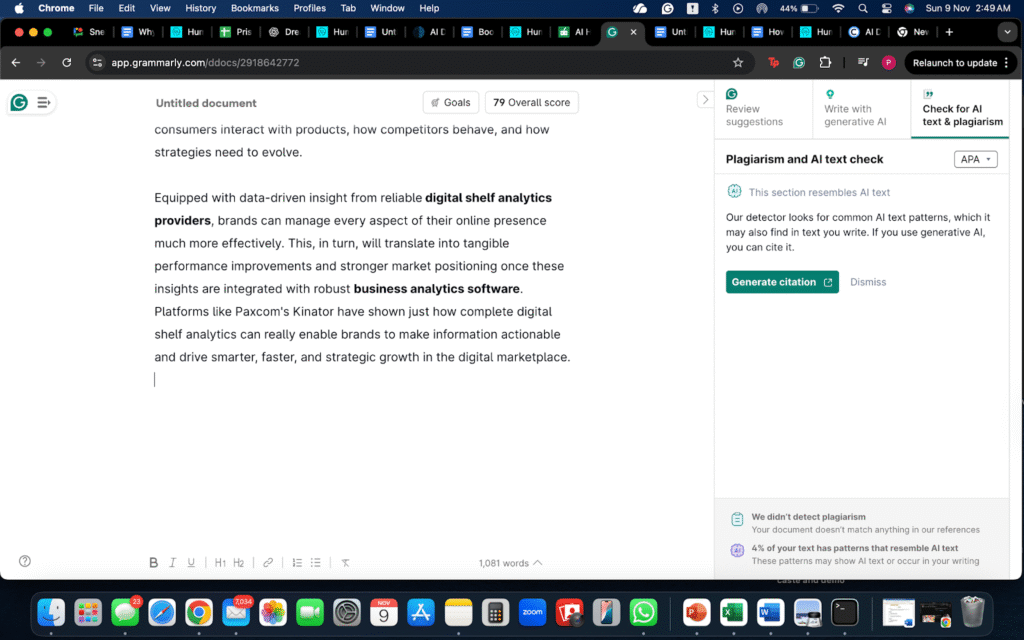
Equipped with data-driven insight from reliable digital shelf analytics providers, brands can manage every aspect of their online presence much more effectively. This, in turn, will translate into tangible performance improvements and stronger market positioning once these insights are integrated with robust business analytics software. Platforms like Paxcom’s Kinator have shown just how complete digital shelf analytics can be in enabling brands to make information actionable and drive smarter, faster, and more strategic growth in the digital marketplace.





Leave a Comment