
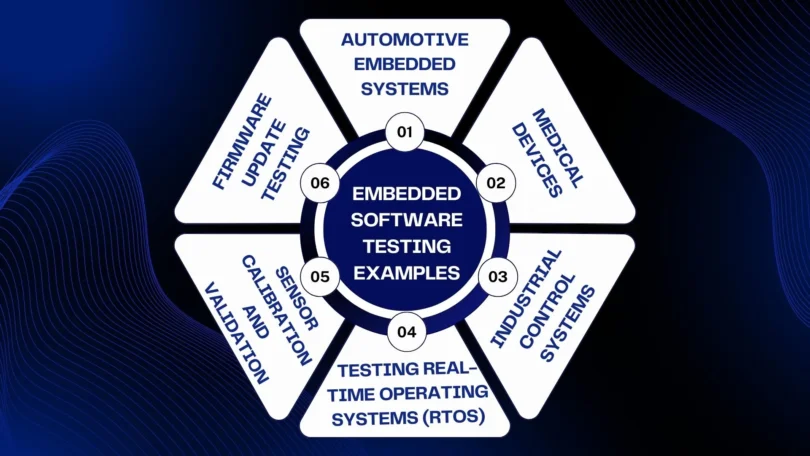
As industries move toward automation, connected devices, and intelligent infrastructure, embedded systems have become critical to ensuring reliable and safe product performance. Today, organisations are embedding intelligence into everything from industrial control systems to healthcare devices and intelligent infrastructure. In this new world, improving software quality assurance and testing is no longer a choice, it’s a fundamental necessity for safety, regulatory, and success. New embedded system architectures, coupled with powerful development environments such as Linux and other embedded operating systems, are making it possible to create more reliable, scalable, and testable software environments.
What makes embedded systems unique is that they integrate hardware and software to accomplish specific tasks. Unlike any general software, embedded software has to satisfy real-time constraints, work within constrained computing resources, and adhere to very high reliability requirements.
Why Embedded Systems Are Important to Modern QA and Testing
Embedded systems are s are widely deployed in industrial automation, automotive safety systems, healthcare devices, and IoT networks. In these areas, even a minor software glitch can result in downtime, safety issues, or regulatory non-compliance.
Testing linux and embedded systems encompasses both functional and non-functional testing. Functional testing ensures the device is doing the job it is meant to do, while non-functional testing involves performance, reliability, security, and real-time functionality. Because embedded software is directly connected to hardware, testing must also address hardware interrupts, communication protocols, and real-world operating conditions.
The testing process involves a series of validation levels, including unit testing, integration testing, and system-level validation. Unit testing validates individual firmware components, integration testing ensures proper software and hardware interaction, and system testing validates end-to-end device functionality in real-world operating conditions.
The Role of Embedded Architectures in Improving QA Efficiency
Modern embedded architectures are designed with testability in mind. Engineers incorporate test hooks, diagnostic interfaces, and telemetry into designs, allowing for real-time observation, remote debugging, and quick fault identification.
Sophisticated methods such as Hardware-in-the-Loop (HIL) simulation enable engineers to validate firmware in a simulated real-world environment before hardware development is complete. This reduces development risk and accelerates time-to-market. Testing linux and embedded systems also includes power consumption analysis, real-time timing validation, environmental stress testing, and security analysis, vital for mission-critical devices.
The Increasing Use of Linux and Embedded Systems for Testing
Linux and embedded systems are revolutionising the way we think about testing. Linux provides excellent stability, security, and flexibility, making it the preferred platform for embedded development environments. Its open-source model allows developers to customise the OS to the device’s requirements, providing better performance optimisation and device-specific testing.
Embedded Linux provides access to a broad range of development tools, debugging tools, and automation platforms. This helps to quickly identify bugs, improve code coverage, and easily integrate with CI/CD pipelines. In the IoT and industrial domain, Linux provides support for various connectivity solutions and security platforms, leading to more reliable devices and comprehensive cybersecurity testing.
Studies and industry trends also suggest that Linux-based embedded systems may have lower vulnerability exposure than commercial systems, improving security testing results.
How Embedded Systems Facilitate Continuous Testing and Automation
Modern embedded system development is increasingly converging with DevOps models. Modern automated testing tools now make it possible to test firmware during development.
Unit testing tools for embedded C and C++ programming help detect software bugs early, increasing the reliability of the software in a cost-benefit way, as defects are detected early on.
In addition, these are some modern embedded testing trends.
- Scanning of your program for security and memory leaks.
- Monitoring the performance in real-time.
- Testing communication protocols through protocol-level communication.
- Using fuzz testing to discover vulnerabilities.
- Testing transitions of power state.
With respect to data-driven projects, creating software embedded in these devices enables software quality assurance to be more predictive, data-driven and efficient.
Improvements Embedded Validation Via End-To-End Engineering Excellence
Silarra Technologies is an expert in embedded system engineering and validation through its end-to-end product engineering services. Silarra applies its extensive know-how in storage and embedded systems to assist clients in selecting hardware components, implementing firmware, verifying products, and managing release engineering. By concentrating on ownership-driven engineering, the company assists businesses in reducing development risk, accelerating validation, and lowering the total cost of ownership in the difficult industrial and storage-oriented embedded environment.
The Development of Embedded QA and Testing
With the increasing trend of embedded systems towards AI-driven edge computing, autonomous robots, and industrial IoT, the way we test these systems is undergoing a transformation. The future of embedded quality assurance will rely increasingly on digital twins, AI-assisted test creation, predictive failure analysis, and real-time monitoring.
By combining embedded intelligence with cloud analytics and real-time testing infrastructure, businesses can accelerate innovation without compromising on safety and reliability. Secure firmware updates, diagnostics, and analytics are becoming essential components of a modern embedded ecosystem.
Investing in better embedded testing infrastructure will enable businesses to improve the reliability of their products, comply with regulations, and get to market faster.
Conclusion
Embedded systems are revolutionising the way organisations approach software validation, reliability engineering, and testing across the lifecycle. Through the execution of hardware-software integration tests, live performance tests, and simulation-driven validations, embedded systems enhance software quality assurance.
Increased use of Linux and embedded systems enables companies to create secure, scalable, and flexible test environments. The environments facilitate rapid innovation with robust product reliability. The advancement of embedded technology will continue to stay at the forefront of providing safe, high-performance and future ready digital infrastructure.





Leave a Comment