
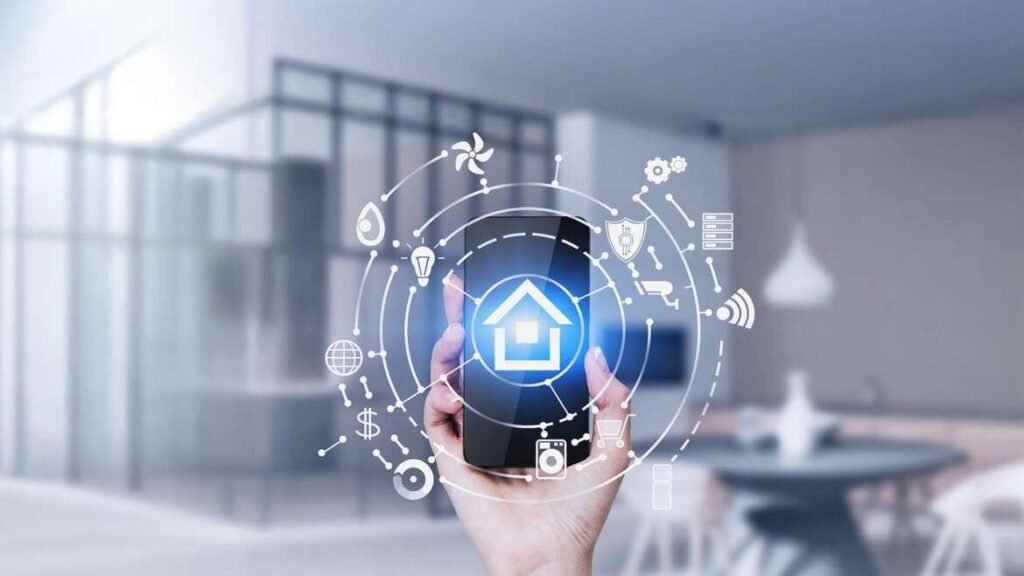
A decade ago, controlling your lights with your voice felt like something out of a sci-fi movie. Now, it’s just Tuesday. Smart home solutions have quietly transitioned from high-end novelties to practical tools that millions of households rely on every day—and that shift is only accelerating.
So what’s driving it? And more importantly, is a smarter home worth it for you?
The Heart of Modern Living
Time is the one thing nobody seems to have enough of. Smart home solutions tackle this directly by automating the small, repetitive tasks that quietly eat up your day—adjusting the thermostat, turning off lights you forgot about, even starting the coffee maker before you get out of bed.
The result is a home that works around your schedule, not the other way around. Voice assistants, automated routines, and app-controlled appliances free up mental energy for the things that actually matter. Over time, these small conveniences add up to a noticeably smoother daily life.
Security and Peace of Mind
Home security has always been a priority—but smart technology has made it significantly more accessible. Smart locks, video doorbells, and integrated monitoring systems let you keep an eye on your home from anywhere in the world.
Forgot to lock the front door before leaving for work? Fix it from your phone. Want to check whether a package was delivered? Check the camera feed in seconds. These aren’t just conveniences; they’re genuine improvements to how safe and in control homeowners feel.
For families, elderly residents, or anyone living alone, this added layer of security can be genuinely life-changing.
Energy Efficiency That Pays for Itself
One of the most compelling arguments for smart home solutions is their impact on utility bills. Smart thermostats learn your habits and adjust heating and cooling automatically, ensuring you’re never paying to heat an empty house. Smart lighting systems dim or switch off when rooms aren’t in use.
The savings are real. Studies suggest smart thermostats alone can reduce heating and cooling costs by around 10–15% annually. Multiply that across lighting and appliances, and the system often pays for itself within a few years.
Beyond the financial benefits, there’s an environmental dimension worth considering. Reducing energy waste at home—however modest—contributes to a broader effort to lower carbon emissions. Smart home solutions make it easier to live more sustainably without requiring major lifestyle changes.
Connectivity and Comfort
Perhaps the most underappreciated aspect of smart home technology is how personal it can be. These systems don’t just automate—they adapt. Lighting that shifts warmer in the evening, music that plays when you walk through the door, blinds that open with the sunrise: all of it can be configured to match exactly how you like to live.
This level of personalization creates a home environment that genuinely reflects who you are and what you value. And as different devices increasingly communicate with each other, the experience becomes more seamless—less like managing a collection of gadgets and more like living in a space that simply understands you.
Your Next Step Toward a Smarter Home
Smart home solutions aren’t about chasing the latest tech trend. They’re about making your home more comfortable, secure, and efficient—on your terms. Whether you start with a single smart speaker or invest in a fully integrated system, the entry point is more affordable and accessible than ever.
The homes of the future are already being built today. The only question is how much of that future you want to bring into yours.



Leave a Comment