
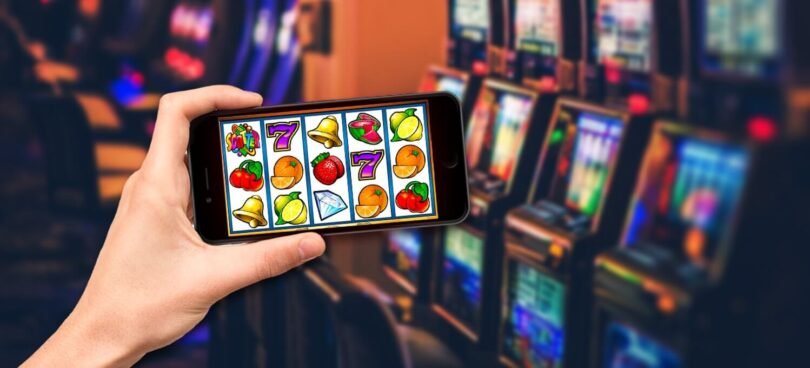
Slot machines have always been more than just games of chance are psychological experiences. Every flashing light, sound effect, and spin is carefully engineered to captivate players’ minds. In the digital age, this fascination has only grown stronger, leading to new language and beliefs among online gamblers. One of the most popular modern phrases is slot gacor, a term used by players to describe slots that seem hot, active, or unusually generous with payouts. While casino operators insist that slot outcomes are completely random, many players claim they can sense when a game is in a winning rhythm.
The Human Brain and the Reward System
When you press the spin button, your brain immediately enters a cycle of anticipation and reward. This is driven by dopamine, a chemical associated with pleasure and motivation. The uncertainty of winning not the win itself triggers the highest dopamine release. This is known as the variable reward effect. Unlike predictable games where outcomes can be calculated, slot machines create unpredictable excitement. Every spin is a new possibility, and that uncertainty keeps the brain engaged. This same principle explains why social media notifications and video games are addictive. The brain craves surprise rewards. For some players, certain games feel more stimulating or more alive. These are often the ones labeled as slot gacor not necessarily because they pay more, but because they perfectly trigger the brain’s reward mechanism through frequent visual feedback and near miss moments.
The Illusion of Control
One of the strongest psychological factors in gambling is the illusion of control. Players believe they have influence over outcomes even when they don’t. This illusion increases engagement and enjoyment. Small rituals such as tapping the screen a certain way, choosing specific bet amounts, or timing the spin reinforce the idea that skill or timing plays a role. Slot developers intentionally design features to support this illusion. Stop buttons, hold features, and even spin speed selectors create a feeling of agency. When players interact more, they feel more responsible for the result especially if they win soon after. This illusion helps explain why some players swear by slot gacor games. Once they win or experience frequent small payouts, their brain connects those outcomes to their actions, not to random chance. This reinforces belief in a pattern or special hotness of the game.
Near Miss Effect and Pattern Recognition
The near miss phenomenon is one of the most studied aspects of gambling psychology. When two matching symbols appear and the third narrowly misses, the player feels they are close to winning. Even though the outcome is a loss, it activates similar brain areas as a win. This trick keeps players spinning, convinced that a jackpot is just around the corner. Human brains are naturally wired to find patterns, an evolutionary trait that helped us survive. In random systems like slots, the brain still looks for cause and effect relationships, even when none exist. Over time, players may start to associate certain sound effects, spin timings, or visual animations with success. This is the foundation of belief in slot gacor machines. When a slot gives frequent small wins or bonus teases, the player’s brain interprets this as a pattern worth pursuing. The combination of near misses and intermittent rewards builds a sense of rhythm, tricking players into feeling they have discovered a working system.
The Role of Reinforcement Learning
Slot machines rely on reinforcement learning, a behavioral principle used in both psychology and artificial intelligence. In this system, actions that lead to positive outcomes are repeated automatically. When you win even a small amount your brain records that event as a success, encouraging you to continue playing. Casino designers use this to maintain engagement. Frequent micro rewards like sound bursts, animations, and coin effects are all reinforcement cues. They keep the player emotionally connected even when real money returns are small. Some games are designed with specific win frequencies that maintain high engagement. Players describe such games as slot gacor because they deliver just enough positive reinforcement to feel exciting. The brain adapts to these reinforcement cycles, making the experience feel right or lucky, even when total returns remain statistically normal.
Social Proof and Community Influence
Another key factor behind the slot gacor phenomenon is social psychology. In online gambling forums, players often share screenshots, testimonials, or short videos of big wins. These posts influence others, creating the perception that certain games or providers are paying out more than others. This effect is known as social proof when people adopt behaviors or beliefs based on what they observe in others. If hundreds of users claim a particular slot is hot, new players are likely to try it and interpret any small win as confirmation. This shared belief spreads rapidly in online communities, especially on platforms like Telegram, Reddit, or TikTok. What begins as coincidence can turn into collective conviction. The result is that slot gacor becomes a cultural label rather than a statistical fact, a shared language of excitement and perceived advantage.
Why It Works for Some Players
Not everyone experiences slot games the same way. For some, the thrill of risk and reward triggers stronger dopamine responses. For others, personal habits, emotional states, or past wins shape how they interpret outcomes. Players who are naturally optimistic or superstitious tend to find patterns more easily and are therefore more likely to believe in hot machines. Interestingly, studies in behavioral economics show that positive reinforcement affects people differently based on personality type. Risk takers and high sensation seekers are more responsive to variable rewards, meaning slot gacor games work better for them simply because their brains react more intensely to uncertainty. The combination of luck, timing, and emotion can make certain sessions feel magical. When this happens, players connect that feeling with a specific game, branding it mentally as their personal slot gacor.
Breaking the Cycle and Playing Smart
Understanding the psychology behind slots can help players enjoy the experience without falling into unhealthy patterns.
- Set limits before playing both in time and money.
- Recognize randomness. Each spin is independent, regardless of past outcomes.
- Avoid chasing losses. The illusion of one more spin often leads to overspending.
- Celebrate small wins responsibly. They’re entertainment, not income.
By treating slots as fun entertainment rather than predictable systems, players can avoid psychological traps while still enjoying the excitement of play.
In Summary
The mystery behind slot machines isn’t truly about luck, it’s about how our brains process uncertainty and reward. The term slot gacor captures that human desire to believe we’ve found order in randomness, a rhythm in chaos. For some players, these games feel alive because they resonate perfectly with the psychological triggers of anticipation, reinforcement, and belief. In truth, slot machines remain governed by mathematics, not magic. Yet, it’s our perceptions and emotions that give them life. Whether it’s flashing lights, near misses, or community hype, the power of slot gacor lies in the mind of the player proving that the most fascinating patterns are the ones we create ourselves.




Leave a Comment