
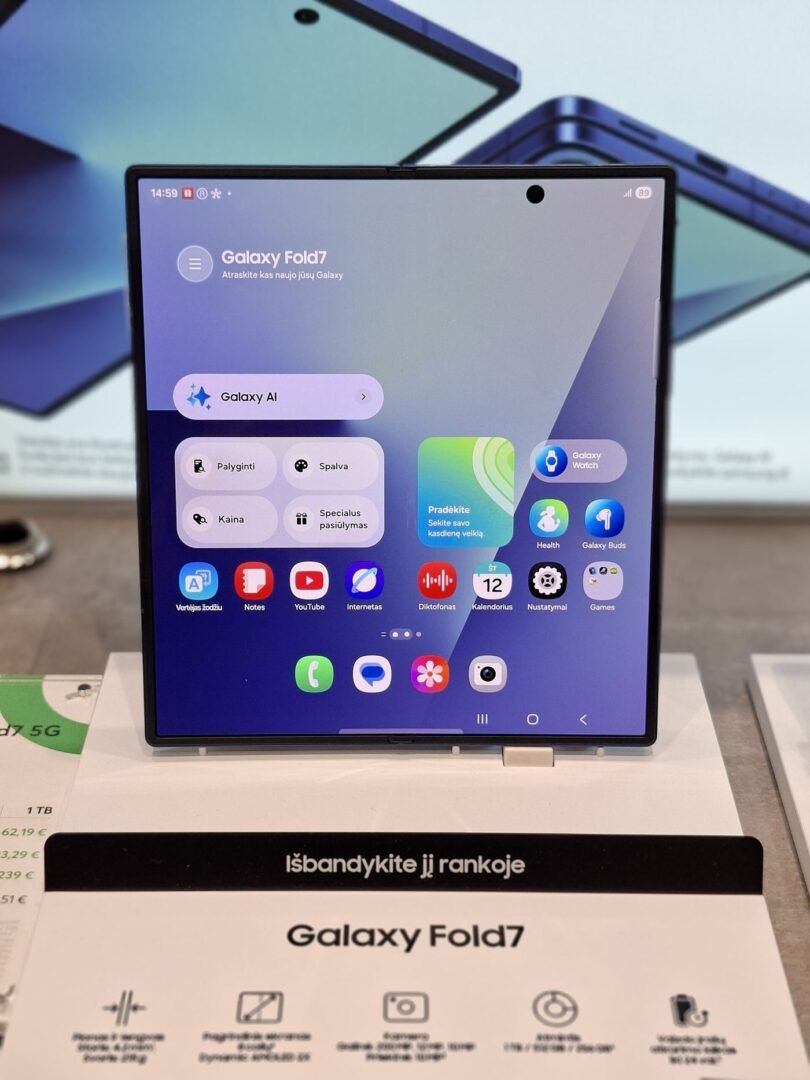
Foldable phones promise the best of two devices, a compact handset that opens into a tablet-sized screen, and buyers are weighing that promise against the compromises it brings. Unfolded, the large display suits reading, watching video and splitting the screen between two apps, tasks that feel cramped on an ordinary phone. Folded shut, the device slips into a pocket almost like any other handset, which is the trick that makes the idea appealing. The folding screen is the heart of the challenge, since the glass must bend thousands of times without cracking or creasing, and makers have spent years refining hinges and flexible panels. Early models suffered from visible creases and fragile screens, but newer designs are sturdier, with improved seals against dust and water. Prices remain high, placing foldables firmly in the premium range, yet each generation narrows the gap. For buyers who want one device to do the work of two, the foldable phone is finally becoming a realistic choice.
What the Evidence Shows
Living with a foldable phone means learning a few new habits. Owners usually open the device with two hands and avoid pressing hard on the centre of the screen, where the fold sits. A good case matters more than usual, since it must protect the hinge without stopping the phone from closing fully. Battery life is generally strong, though the big screen drains it faster when unfolded for long periods. Software has caught up too, with apps that stretch smoothly across the wide display and a front screen that handles quick tasks without opening the phone. Repair costs are higher than for a standard handset, so insurance is worth considering before buying. Reviewers advise handling one in a shop first, since the feel of the hinge and the visibility of the crease vary between models. The technology is still maturing, but the foldable phone no longer feels like an experiment. Reporting and analysis from sources such as IEEE Spectrum track the same developments, and specialists following foldable phones say the direction is now consistent across independent lines of evidence.
The Wider Context
Adoption of foldable phones follows a familiar pattern with an unfamiliar speed. Early users tolerate rough edges in exchange for advantage, mainstream users arrive when the tool disappears into existing workflows, and the market consolidates around whoever made that transition feel effortless. Vendors are racing less on raw performance now than on integration, support and trust.
What Happens Next
The realistic forecast for foldable phones is steady integration rather than sudden replacement: embedded in products people already use, improving in increments, and regulated in proportion to its reach. The companies and institutions that plan on that basis, training staff and redesigning processes instead of chasing launches, are the ones the adoption data tends to vindicate. You can follow related developments in our coverage of technology.
It is also worth remembering how quickly the picture in this area has changed before. Positions that looked settled a few years ago have been revised as new data arrived, and the same humility is appropriate now. The strongest coverage of this subject, and the most useful advice, tends to come from sources that update their views openly when the facts move, rather than defending an earlier position long after it has stopped fitting the evidence available.






Leave a Comment