
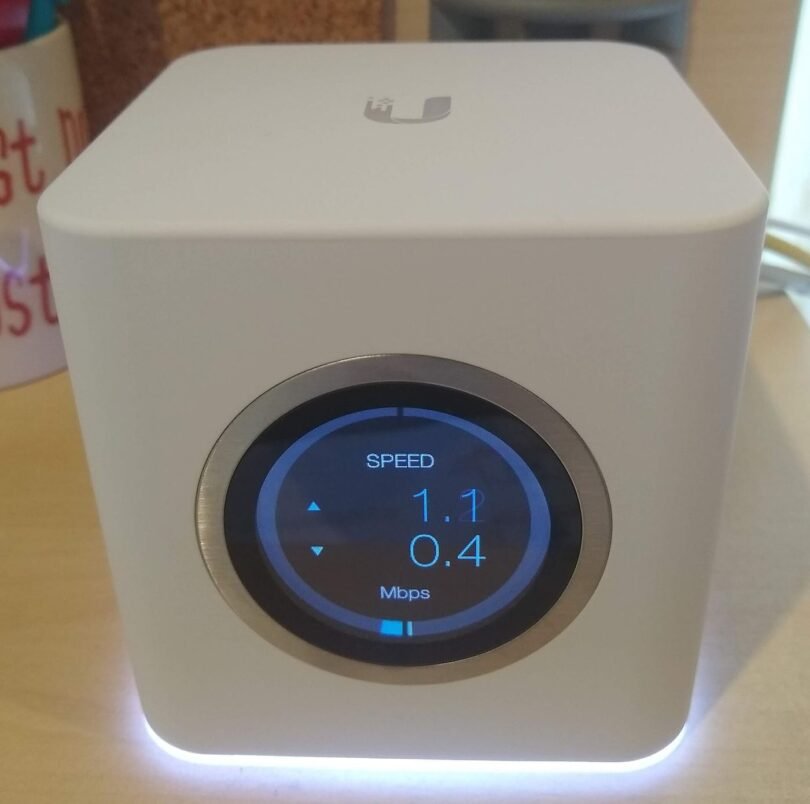
Large houses have long suffered from Wi-Fi dead zones, rooms where video calls freeze and pages refuse to load, but mesh systems are finally solving the problem. Instead of one router struggling to reach every corner, a mesh setup places several small units around the home that talk to each other and share one network name. A phone moving from the kitchen to the bedroom switches between units without dropping the connection, so a video call continues smoothly up the stairs. Setup is handled through a phone app that tests each unit’s position and warns when one is placed too far from the next. The units look discreet, more like small speakers than computer hardware, so they blend into shelves and side tables. Families notice the difference quickly, with children streaming in bedrooms that once had no signal at all. For homes where a single router never quite reached, mesh Wi-Fi is a practical fix rather than a luxury.
What the Evidence Shows
Getting the best from a mesh system starts with placing the units well. Each one needs a spot roughly halfway between the main router and the dead zone, close enough to hold a strong link yet far enough to extend coverage. Thick walls, metal appliances and aquariums can weaken the signal, so a little trial and error helps. Most systems update themselves overnight and include simple parental controls, letting parents pause the internet at bedtime or limit certain devices. Two or three units cover most family homes, while larger houses may need an extra node for a garden office or basement. Prices have fallen as the technology spread, and many kits now cost little more than a single good router. Before buying, it is worth checking that the home broadband itself is fast enough, since even the best mesh cannot fix a slow connection coming into the house. Reporting and analysis from sources such as Wired track the same developments, and specialists following home Wi-Fi mesh systems say the direction is now consistent across independent lines of evidence.
The Wider Context
The wider context is an industry learning to ship capability and restraint together. Products built around home Wi-Fi mesh systems now launch with safety evaluations, usage data and rollback plans as standard, because enterprise buyers and regulators ask for them in the first meeting. Companies that treated those questions as friction are discovering they have become the purchase criteria.
What Happens Next
What happens next for home Wi-Fi mesh systems depends less on another breakthrough than on the unglamorous work of reliability, pricing and support. The buyers evaluating it now are not enthusiasts; they are operators with budgets and auditors, and their checklists will decide the timeline. On the evidence of the current pilots, the technology has earned the right to be judged by them. You can follow related developments in our coverage of technology.
None of this will be settled by a single announcement, study or product launch. The pattern to watch is accumulation: independent confirmations, honest reporting of failures and steady improvement in the underlying numbers. Readers who follow those signals, rather than the loudest claim of the week, will understand this subject better than most of the commentary surrounding it suggests is possible.






Leave a Comment