
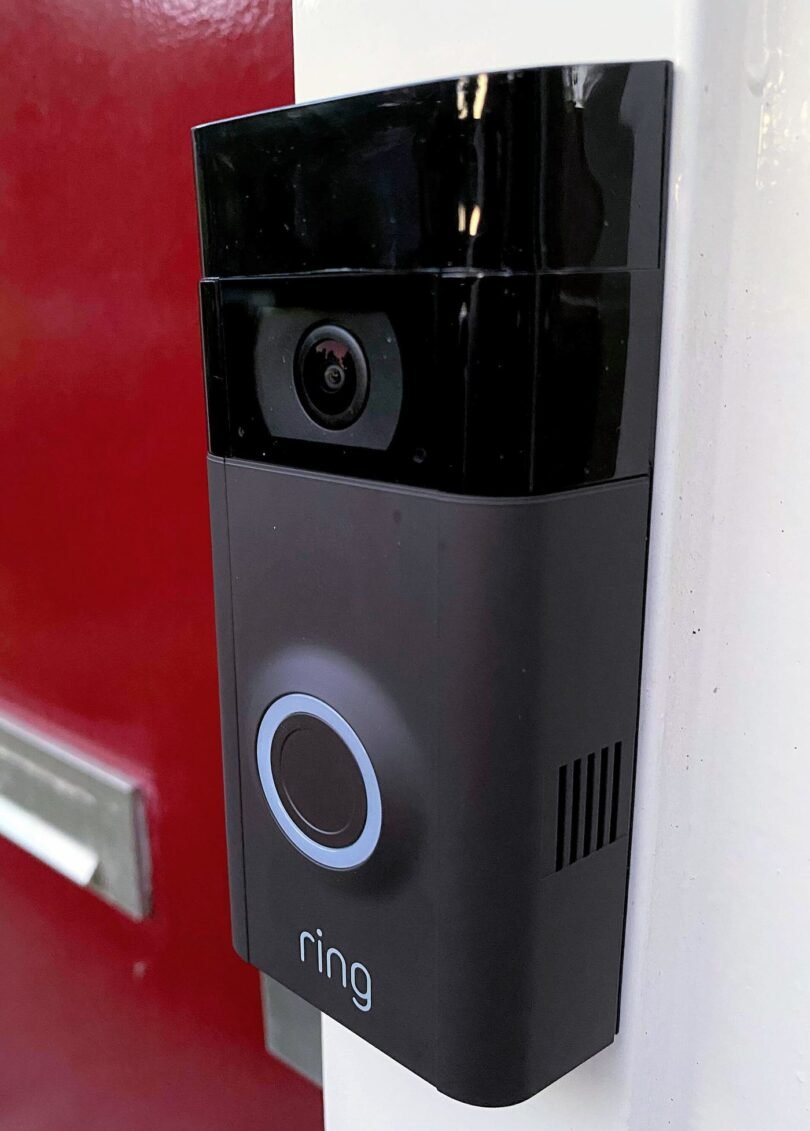
A knock at the door used to mean dropping everything to answer it, and a missed visitor meant a card through the letterbox and a trip to collect a parcel. A video doorbell changes that: a small camera and speaker beside the door lets the owner see and speak to a visitor from a phone, whether they are in the kitchen, at work or on holiday. A courier can be asked to leave a parcel in a safe place, a neighbour can be greeted by name, and an unexpected caller can be checked before the door is opened. Many models record motion through the day, so the owner can see who called while they were out. For people who live alone, the doorbell adds a layer of comfort, since the door never needs to open to a stranger.
What the Evidence Shows
Fitting one is usually simple. Battery models stick or screw beside the door and need no wiring, though the battery must be recharged every few weeks, while wired models draw power from the old doorbell circuit and never run flat. Owners should check where the recordings are stored, since some makers charge a monthly fee for cloud storage while others keep clips on the device itself. Privacy deserves a thought too: the camera may catch the pavement and neighbours, so it should point at the door and not into someone else’s garden. A clear sign or a word with visitors keeps the arrangement honest. Used sensibly, a video doorbell is a small camera that saves missed parcels, answers the door from anywhere and gives a home a little extra peace of mind. Reporting and analysis from sources such as Wired track the same developments, and specialists following video doorbells say the direction is now consistent across independent lines of evidence.
The Wider Context
The wider context is an industry learning to ship capability and restraint together. Products built around video doorbells now launch with safety evaluations, usage data and rollback plans as standard, because enterprise buyers and regulators ask for them in the first meeting. Companies that treated those questions as friction are discovering they have become the purchase criteria.
What Happens Next
What happens next for video doorbells depends less on another breakthrough than on the unglamorous work of reliability, pricing and support. The buyers evaluating it now are not enthusiasts; they are operators with budgets and auditors, and their checklists will decide the timeline. On the evidence of the current pilots, the technology has earned the right to be judged by them. You can follow related developments in our coverage of technology.
None of this will be settled by a single announcement, study or product launch. The pattern to watch is accumulation: independent confirmations, honest reporting of failures and steady improvement in the underlying numbers. Readers who follow those signals, rather than the loudest claim of the week, will understand this subject better than most of the commentary surrounding it suggests is possible.






Leave a Comment