
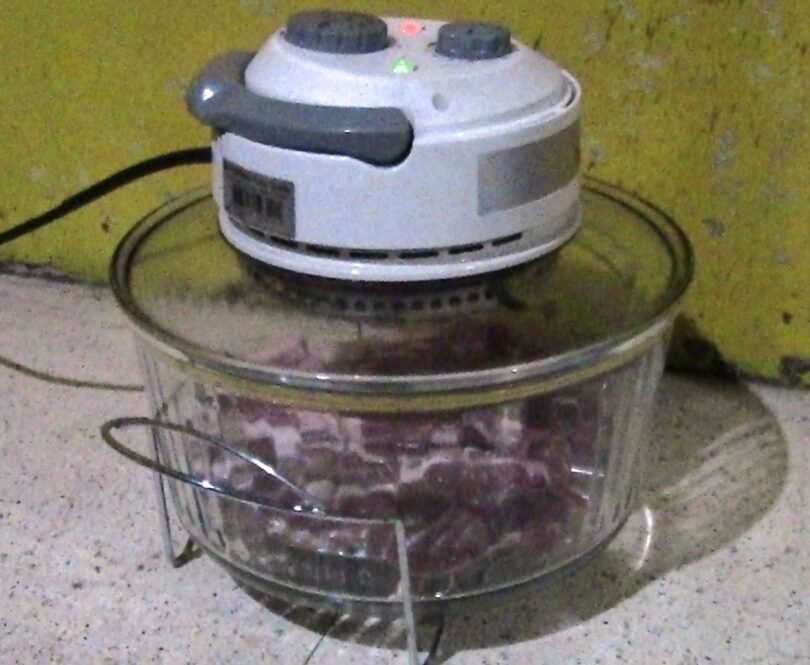
The air fryer has become the kitchen gadget of the decade, promising crisp chips and golden chicken with a spoonful of oil instead of a deep pan of fat. It works by blowing very hot air around the food at speed, which dries the surface and browns it much like frying, while the inside stays moist. A batch of chips takes about twenty minutes, chicken pieces come out crisp on the outside, and the basket wipes clean afterwards. The appeal is not only health: the fryer heats up in minutes, uses less energy than a full oven, and keeps the kitchen cool on warm days. Cooks who once avoided frying at home now roast vegetables, reheat leftovers and bake small cakes in the same small machine. Families with fussy eaters like it too, since vegetables roasted in the fryer come out crisp and sweet, and even plain potatoes turn golden.
What the Evidence Shows
Getting the best from an air fryer takes a few simple habits. Food should sit in a single layer so the hot air can reach every piece, which means cooking in batches for a family. A light spray of oil helps browning, and shaking the basket halfway through keeps the cooking even. The machine suits foods that benefit from a crisp surface, but it cannot replace an oven for large roasts or a pan for sauces. Buyers should check the basket size before choosing, since a model that is too small means cooking the same meal twice. Prices range from budget models that cover the basics to larger ones with digital controls and extra trays. For everyday cooking, the air fryer earns its counter space quickly. Cleaning is simple if the basket is soaked straight after cooking, and a quick wipe of the drawer keeps the machine free of old grease. Reporting and analysis from sources such as IEEE Spectrum track the same developments, and specialists following air fryers say the direction is now consistent across independent lines of evidence.
The Wider Context
Adoption of air fryers follows a familiar pattern with an unfamiliar speed. Early users tolerate rough edges in exchange for advantage, mainstream users arrive when the tool disappears into existing workflows, and the market consolidates around whoever made that transition feel effortless. Vendors are racing less on raw performance now than on integration, support and trust.
What Happens Next
The realistic forecast for air fryers is steady integration rather than sudden replacement: embedded in products people already use, improving in increments, and regulated in proportion to its reach. The companies and institutions that plan on that basis, training staff and redesigning processes instead of chasing launches, are the ones the adoption data tends to vindicate. You can follow related developments in our coverage of technology.
It is also worth remembering how quickly the picture in this area has changed before. Positions that looked settled a few years ago have been revised as new data arrived, and the same humility is appropriate now. The strongest coverage of this subject, and the most useful advice, tends to come from sources that update their views openly when the facts move, rather than defending an earlier position long after it has stopped fitting the evidence available.






Leave a Comment