
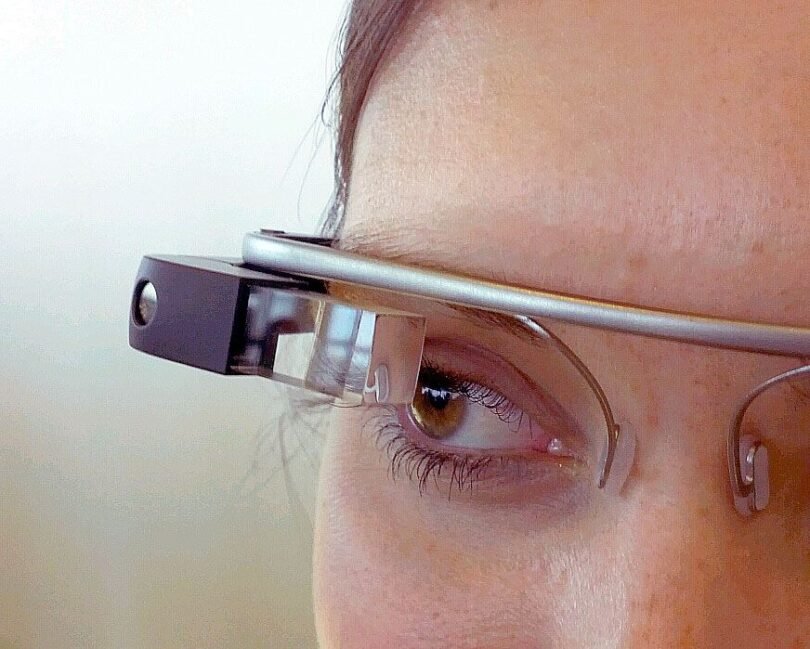
Smart glasses are moving from novelty toward everyday utility as designs become lighter, batteries last longer and features focus on clear practical benefits. Wearers can receive directions, capture hands free photos, listen to audio prompts or view small notifications without repeatedly reaching for a phone in public. Technology firms are learning from earlier launches, placing greater emphasis on comfort, style, privacy indicators and controls that bystanders can understand more easily today. For commuters, tourists and field workers, glanceable information can be useful when hands are busy or when checking a screen would be unsafe or inconvenient. Retail interest is rising slowly, suggesting a market built on specific uses rather than a sudden replacement for the smartphone in everyday life.
What the Evidence Shows
Privacy remains the central question, because glasses with cameras and microphones can make people nearby unsure whether they are being recorded or observed. Visible recording lights, physical shutters and clear audio cues help, but manufacturers also need simple settings that wearers actually check and understand before use. Battery life and heat remain practical limits, especially for models that offer displays, cameras and voice assistants throughout a full day away from chargers. Developers see promise in translation, accessibility captions, navigation and workplace instructions, where small timely information can help without demanding full attention from the wearer. Whether glasses become mainstream will depend on trust, comfort and price as much as technical novelty, design partnerships or celebrity marketing campaigns worldwide. Reporting and analysis from sources such as Wired track the same developments, and specialists following smart glasses for everyday utility say the direction is now consistent across independent lines of evidence.
The Wider Context
The wider context is an industry learning to ship capability and restraint together. Products built around smart glasses for everyday utility now launch with safety evaluations, usage data and rollback plans as standard, because enterprise buyers and regulators ask for them in the first meeting. Companies that treated those questions as friction are discovering they have become the purchase criteria.
What Happens Next
What happens next for smart glasses for everyday utility depends less on another breakthrough than on the unglamorous work of reliability, pricing and support. The buyers evaluating it now are not enthusiasts; they are operators with budgets and auditors, and their checklists will decide the timeline. On the evidence of the current pilots, the technology has earned the right to be judged by them. You can follow related developments in our coverage of technology.
None of this will be settled by a single announcement, study or product launch. The pattern to watch is accumulation: independent confirmations, honest reporting of failures and steady improvement in the underlying numbers. Readers who follow those signals, rather than the loudest claim of the week, will understand this subject better than most of the commentary surrounding it suggests is possible.






Leave a Comment