
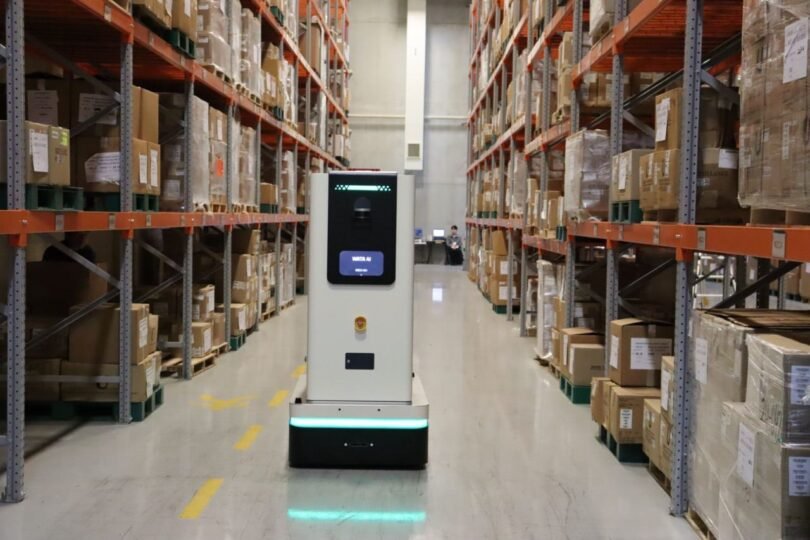
Warehouse robots are taking on repetitive moving and sorting tasks alongside staff as retailers and logistics firms try to handle growing volumes more reliably. Machines that carry shelves to picking stations can reduce walking time, help teams find products faster and keep goods moving during busy evening periods. Managers say the goal is usually support rather than replacement, with people still handling quality checks, problem solving, packing decisions and customer related exceptions. Newer robots use cameras, sensors and mapping software to navigate aisles safely, pause for obstacles and coordinate with other machines in crowded fulfilment centres. The technology requires investment and training, but early adopters report steadier throughput and fewer delays when demand rises sharply during sales or holidays.
What the Evidence Shows
Introducing robots works best when staff are involved early, understand the new workflow and can raise concerns about safety, pace and maintenance before launch. Training may include charging routines, basic troubleshooting and knowing when to stop a machine, giving workers new technical skills alongside their existing operational experience. Data from robot fleets also helps managers spot bottlenecks, plan staffing and position popular products closer to packing areas for faster dispatch each day. Smaller warehouses are watching costs closely, hoping that leasing models and simpler systems will make automation practical beyond the largest logistics operators over time. As adoption grows, the most effective warehouses are likely to blend machine speed with human judgement rather than treating automation as a complete substitute. Reporting and analysis from sources such as IEEE Spectrum track the same developments, and specialists following warehouse robots working alongside staff say the direction is now consistent across independent lines of evidence.
The Wider Context
Adoption of warehouse robots working alongside staff follows a familiar pattern with an unfamiliar speed. Early users tolerate rough edges in exchange for advantage, mainstream users arrive when the tool disappears into existing workflows, and the market consolidates around whoever made that transition feel effortless. Vendors are racing less on raw performance now than on integration, support and trust.
What Happens Next
The realistic forecast for warehouse robots working alongside staff is steady integration rather than sudden replacement: embedded in products people already use, improving in increments, and regulated in proportion to its reach. The companies and institutions that plan on that basis, training staff and redesigning processes instead of chasing launches, are the ones the adoption data tends to vindicate. You can follow related developments in our coverage of technology.
It is also worth remembering how quickly the picture in this area has changed before. Positions that looked settled a few years ago have been revised as new data arrived, and the same humility is appropriate now. The strongest coverage of this subject, and the most useful advice, tends to come from sources that update their views openly when the facts move, rather than defending an earlier position long after it has stopped fitting the evidence available.




Leave a Comment