
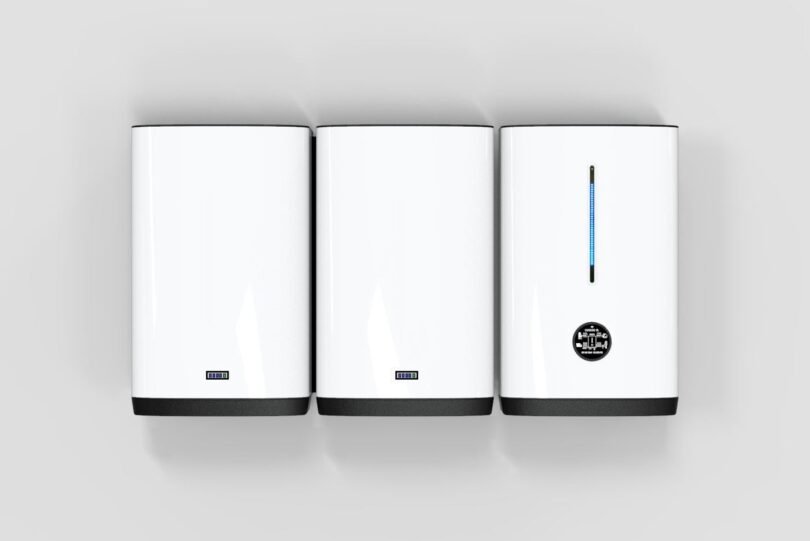
Rooftop solar panels produce most of their power in the middle of the day, when many households are empty, and the extra electricity is often sent back to the grid for a small payment. Home batteries change that equation by storing the surplus for the evening, when lights, cooking and television push demand to its peak. A typical home battery holds enough energy to run the evening’s essentials, and it can also keep the fridge and a few lights going during a power cut. As battery prices have fallen, more homeowners are adding storage to systems they already own, and new installations often include a battery from the start. The setup also reduces reliance on the grid at the most expensive hours, when electricity prices are highest.
What the Evidence Shows
Choosing a home battery starts with size, since a battery that is too small will run out before bedtime, while one that is too large costs money that takes years to recover. Homeowners should look at their evening usage, counting the appliances that run after sunset, and match the battery to that figure. Installation needs a qualified electrician, and the battery should sit in a cool, dry place, often a garage or utility room. Some systems let owners set the battery to charge from the grid overnight when electricity is cheap, which helps homes without solar panels too. Warranties usually run for ten years, and the battery slowly loses capacity over that time. With realistic expectations, home storage turns solar panels from a daytime hobby into a round-the-clock power source. Reporting and analysis from sources such as Wired track the same developments, and specialists following home battery storage say the direction is now consistent across independent lines of evidence.
The Wider Context
The wider context is an industry learning to ship capability and restraint together. Products built around home battery storage now launch with safety evaluations, usage data and rollback plans as standard, because enterprise buyers and regulators ask for them in the first meeting. Companies that treated those questions as friction are discovering they have become the purchase criteria.
What Happens Next
What happens next for home battery storage depends less on another breakthrough than on the unglamorous work of reliability, pricing and support. The buyers evaluating it now are not enthusiasts; they are operators with budgets and auditors, and their checklists will decide the timeline. On the evidence of the current pilots, the technology has earned the right to be judged by them. You can follow related developments in our coverage of technology.
None of this will be settled by a single announcement, study or product launch. The pattern to watch is accumulation: independent confirmations, honest reporting of failures and steady improvement in the underlying numbers. Readers who follow those signals, rather than the loudest claim of the week, will understand this subject better than most of the commentary surrounding it suggests is possible.






Leave a Comment