
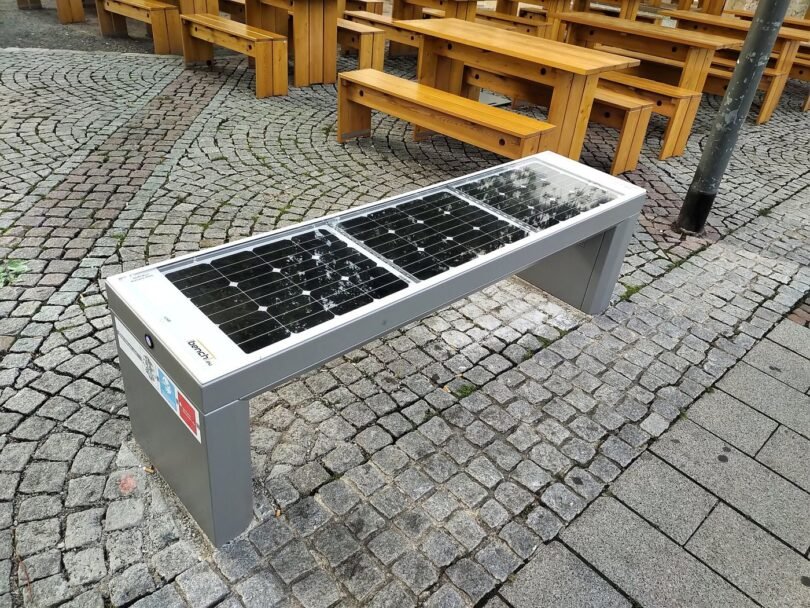
Hikers, campers and festival-goers have all felt the same frustration, a phone dying miles from the nearest plug, and solar power banks promise to end that worry. The device pairs a rechargeable battery with a small solar panel, so it tops itself up from sunlight during the day and charges a phone at night. Modern versions are rugged, with waterproof cases and rubberised corners that survive being dropped on a trail or splashed at a campsite. A typical bank holds enough charge for two or three full phone charges, and the panel adds a useful trickle on sunny days, extending a trip by a day or more. Charging speeds have improved, with faster ports that fill a phone in a couple of hours rather than an afternoon. The panel is not a miracle, since a cloudy day or a bank left in a backpack will gather little energy, but as a backup it beats carrying spare batteries. For anyone who spends long days outdoors, the solar bank is cheap insurance against a dead phone.
What the Evidence Shows
Choosing a solar power bank means balancing weight, capacity and panel size. A bigger battery charges more devices but adds weight to a pack, so walkers often prefer a medium bank around ten thousand milliamp-hours. Panel size matters too, since a single small panel charges slowly, while folding panels with two or three sections gather far more sun. Buyers should check that the ports match their devices, with USB-C now standard for newer phones. A built-in torch is a handy extra for campsites, and a carabiner loop lets the bank hang from a backpack to catch the sun while walking. It is worth testing the bank at home before a trip, charging it fully from a wall socket and confirming it fills the phone as expected. With realistic expectations, the solar power bank earns its place in the pack. Reporting and analysis from sources such as IEEE Spectrum track the same developments, and specialists following solar power banks say the direction is now consistent across independent lines of evidence.
The Wider Context
Adoption of solar power banks follows a familiar pattern with an unfamiliar speed. Early users tolerate rough edges in exchange for advantage, mainstream users arrive when the tool disappears into existing workflows, and the market consolidates around whoever made that transition feel effortless. Vendors are racing less on raw performance now than on integration, support and trust.
What Happens Next
The realistic forecast for solar power banks is steady integration rather than sudden replacement: embedded in products people already use, improving in increments, and regulated in proportion to its reach. The companies and institutions that plan on that basis, training staff and redesigning processes instead of chasing launches, are the ones the adoption data tends to vindicate. You can follow related developments in our coverage of technology.
It is also worth remembering how quickly the picture in this area has changed before. Positions that looked settled a few years ago have been revised as new data arrived, and the same humility is appropriate now. The strongest coverage of this subject, and the most useful advice, tends to come from sources that update their views openly when the facts move, rather than defending an earlier position long after it has stopped fitting the evidence available.






Leave a Comment