
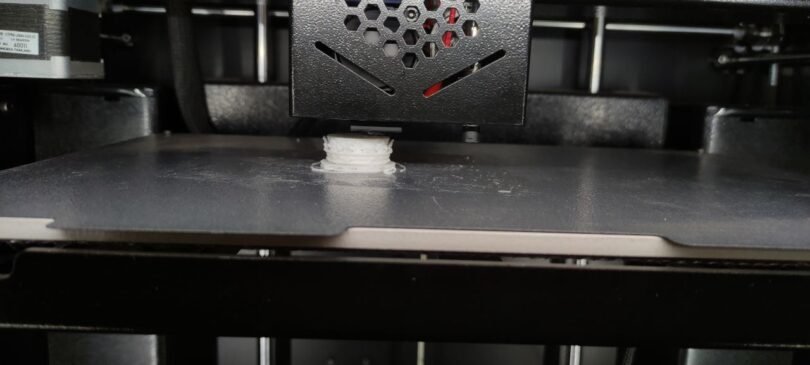
A broken bracket on a dishwasher, a missing board-game piece or a phone stand in exactly the right size used to mean a trip to the shops and a hope that someone sold it. A home 3D printer makes it instead, building the object layer by layer from melted plastic thread while its owner gets on with something else. Prices have fallen sharply in the last few years, and machines from makers such as Bambu Lab, Creality and Prusa now cost about as much as a mid-range smartphone and arrive almost ready to use. Designs are free to download from libraries such as Printables and Thingiverse, where other makers share everything from coat hooks to garden tools, or the owner can draw a part in free software. A small print takes an hour or two, a larger one can run overnight, and the finished object is ready to use straight off the print bed.
What the Evidence Shows
The first weeks with a 3D printer are a learning curve, and failed prints are part of it. The plastic, called filament, comes in types that suit different jobs: PLA is easy and fine for indoor objects, while PETG is tougher and better for parts that face heat or weather. The printer needs a flat, steady surface and good ventilation, since melted plastic gives off a faint smell, and small parts and hot surfaces mean it should sit out of reach of young children. The cost of filament is low, often a few pounds per object, so the real expense is time: finding a good design, waiting for the print and cleaning up the result. Start with small, well-tested designs and keep the printer’s bed clean, and within a month the house will be full of small objects that were printed rather than bought. Reporting and analysis from sources such as Wired track the same developments, and specialists following home 3D printers say the direction is now consistent across independent lines of evidence.
The Wider Context
The wider context is an industry learning to ship capability and restraint together. Products built around home 3D printers now launch with safety evaluations, usage data and rollback plans as standard, because enterprise buyers and regulators ask for them in the first meeting. Companies that treated those questions as friction are discovering they have become the purchase criteria.
What Happens Next
What happens next for home 3D printers depends less on another breakthrough than on the unglamorous work of reliability, pricing and support. The buyers evaluating it now are not enthusiasts; they are operators with budgets and auditors, and their checklists will decide the timeline. On the evidence of the current pilots, the technology has earned the right to be judged by them. You can follow related developments in our coverage of technology.
None of this will be settled by a single announcement, study or product launch. The pattern to watch is accumulation: independent confirmations, honest reporting of failures and steady improvement in the underlying numbers. Readers who follow those signals, rather than the loudest claim of the week, will understand this subject better than most of the commentary surrounding it suggests is possible.






Leave a Comment