
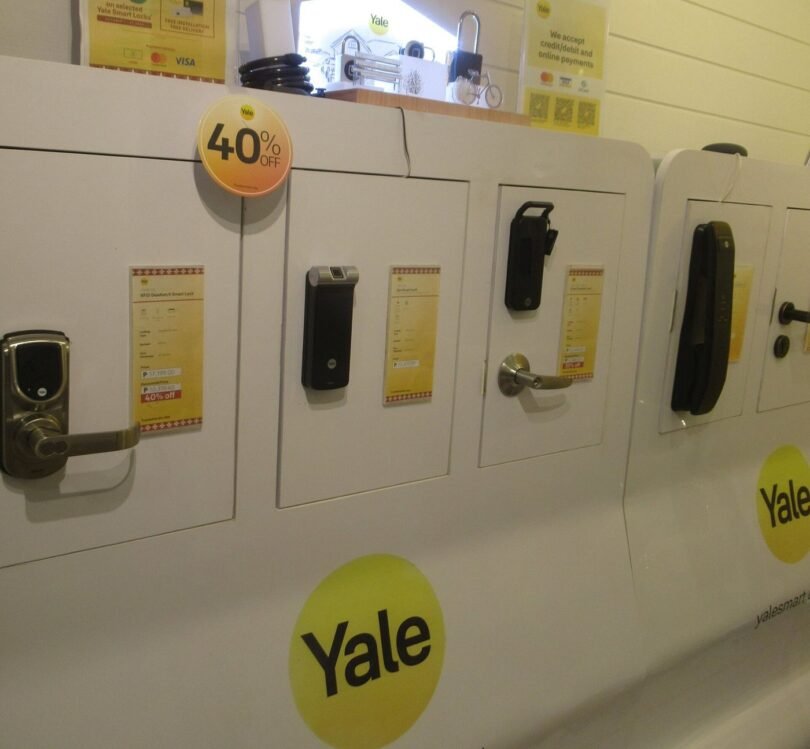
Keys are easy to lose, easy to copy and easy to lock inside the house, and the spare under the doormat is the first place a burglar looks. A smart lock replaces the key with a phone, a code or a fingerprint, so the front door opens with a tap and locks itself behind the owner. Temporary codes can be given to a cleaner, a guest or a tradesperson and cancelled afterwards, with no need to cut a new key or change the lock. The owner can check from anywhere whether the door is locked, let a family member in from work, or get a message when the children arrive home. Most smart locks fit over the existing lock on the inside of the door, so the outside looks unchanged and the old key still works as a backup. For a household that has ever stood outside in the rain without a key, the appeal is obvious.
What the Evidence Shows
Choosing a lock starts with the door itself. The buyer should check that the model fits the lock already fitted, since some doors need an adapter or a different cylinder, and that the lock is rated for the weather if the door faces the rain. Battery life matters: most locks run for months on ordinary batteries and warn the owner well before they run flat, but the household should know where the backup key is kept. A lock that works over Bluetooth keeps working when the internet goes down, while one that needs Wi-Fi should have a local fallback. Security deserves the same care as any connected device: the account needs a strong password and two-factor authentication, and the lock should come from a maker with a record of fixing faults. Renters should ask the landlord first. Fitted well, a smart lock ends the lost-key panic and gives a home a small but real upgrade in everyday convenience. Reporting and analysis from sources such as IEEE Spectrum track the same developments, and specialists following smart locks say the direction is now consistent across independent lines of evidence.
The Wider Context
Adoption of smart locks follows a familiar pattern with an unfamiliar speed. Early users tolerate rough edges in exchange for advantage, mainstream users arrive when the tool disappears into existing workflows, and the market consolidates around whoever made that transition feel effortless. Vendors are racing less on raw performance now than on integration, support and trust.
What Happens Next
The realistic forecast for smart locks is steady integration rather than sudden replacement: embedded in products people already use, improving in increments, and regulated in proportion to its reach. The companies and institutions that plan on that basis, training staff and redesigning processes instead of chasing launches, are the ones the adoption data tends to vindicate. You can follow related developments in our coverage of technology.
It is also worth remembering how quickly the picture in this area has changed before. Positions that looked settled a few years ago have been revised as new data arrived, and the same humility is appropriate now. The strongest coverage of this subject, and the most useful advice, tends to come from sources that update their views openly when the facts move, rather than defending an earlier position long after it has stopped fitting the evidence available.





Leave a Comment