
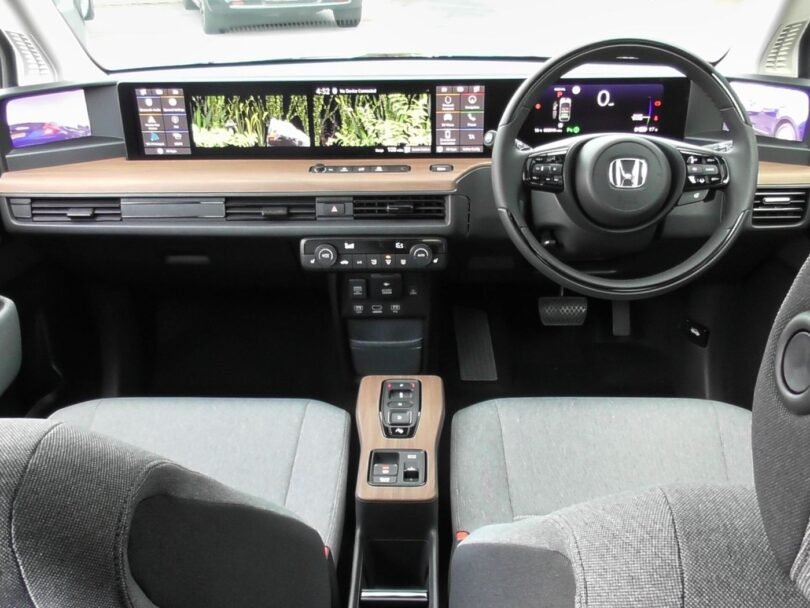
Electric cars are putting touchscreens at the centre of the driving experience, replacing clusters of buttons and dials with one large display that controls everything from navigation and music to heating, charging and the mirrors. Drivers appreciate the clean dashboard, the large maps and the way charging information, battery health and energy use are presented together in one place during a journey. Critics answer that some tasks should never need a menu, because adjusting the temperature or clearing a misted windscreen while moving should take a glance and a familiar knob, not a search through layered screens. Safety groups have begun pressing for physical controls for essential functions, and several manufacturers are quietly returning buttons to steering wheels and dashboards in their newest models as feedback accumulates. The debate is really about balance, finding which controls belong on glass and which deserve a shape fingers can find without eyes leaving the road.
What the Evidence Shows
Software quality now decides how owners feel about a car as much as its motor or suspension, since a slow, confusing screen colours every journey while a clear, responsive one disappears pleasantly into the background of driving. Voice controls help where they work reliably, letting drivers request directions or temperature changes aloud, though accents, noise and ambiguous requests still trip them up at awkward moments on busy roads. Designers are experimenting with hybrid dashboards, keeping screens for maps, media and charging while restoring tactile switches for lights, wipers, volume and climate, a combination many reviewers describe as the current sweet spot. For buyers, a proper test drive should include using the screen on the move, in bright sunlight and with gloves, not just admiring it in a silent showroom under flattering lights. Electric cars will keep their screens, but the best interiors are learning restraint, using software where it helps and hardware where hands need certainty. Reporting and analysis from sources such as Wired track the same developments, and specialists following electric cars put touchscreens centre stage say the direction is now consistent across independent lines of evidence.
The Wider Context
The wider context is an industry learning to ship capability and restraint together. Products built around electric cars put touchscreens centre stage now launch with safety evaluations, usage data and rollback plans as standard, because enterprise buyers and regulators ask for them in the first meeting. Companies that treated those questions as friction are discovering they have become the purchase criteria.
What Happens Next
What happens next for electric cars put touchscreens centre stage depends less on another breakthrough than on the unglamorous work of reliability, pricing and support. The buyers evaluating it now are not enthusiasts; they are operators with budgets and auditors, and their checklists will decide the timeline. On the evidence of the current pilots, the technology has earned the right to be judged by them. You can follow related developments in our coverage of technology.
None of this will be settled by a single announcement, study or product launch. The pattern to watch is accumulation: independent confirmations, honest reporting of failures and steady improvement in the underlying numbers. Readers who follow those signals, rather than the loudest claim of the week, will understand this subject better than most of the commentary surrounding it suggests is possible.






Leave a Comment