
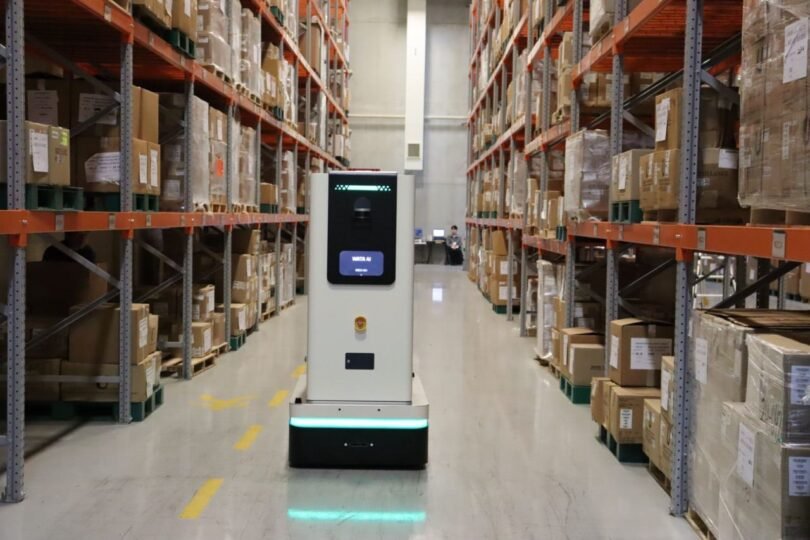
Warehouse robots are taking on returns sorting as online orders keep growing, tackling one of the least glamorous and most labour intensive jobs in modern retail logistics. Every returned parcel must be received, opened, checked, graded and routed back to stock, repair, discount sale or recycling, a chain of small decisions that consumes hours of human time during the peaks that follow sales events and holiday seasons. In the newest facilities, mobile robots ferry shelving units of returned goods to workstations where staff inspect items, while automated sorters read labels and direct packages into the right streams far faster than manual sorting lines could manage at the same accuracy. Managers say the aim is not to empty warehouses of people but to move human effort toward inspection and judgement, the stages where a person notices water damage, a missing part or a suspicious swap that no scanner would ever catch reliably. Faster returns processing also matters to customers, whose refunds arrive sooner when the parcel behind them clears the system quickly, and to retailers, because an item back on sale within days keeps value that evaporates when it sits in a cage for a month awaiting attention from an overstretched team during the busiest weeks of the trading year.
What the Evidence Shows
Introducing robots into an existing warehouse is a project in itself, requiring floor markings, charging points, software integration with stock systems and retraining for staff whose roles shift from carrying and sorting to supervising machines and handling exceptions. Safety systems slow or stop robots whenever a person steps into their path, and the facilities report that the busiest argument is usually about layout, where human walkways and robot routes compete for the same valuable floor space near the packing stations. Data from the sorting process feeds back to retailers too, revealing which products are returned most and why, information product teams use to fix sizing guides, photographs and descriptions that misled buyers in the first place. Reducing returns at source remains cheaper than processing them brilliantly, a point logistics managers make whenever the robots attract more attention than the reasons parcels come back. Even so, the direction of travel is clear, because return volumes rise with online sales themselves and manual systems alone cannot absorb the peaks without heroic overtime. The warehouses coping best treat robots as colleagues with narrow talents, tireless at moving and sorting while people handle everything that requires eyes, hands and judgement. Reporting and analysis from sources such as IEEE Spectrum track the same developments, and specialists following warehouse robots sort returned online orders say the direction is now consistent across independent lines of evidence.
The Wider Context
Adoption of warehouse robots sort returned online orders follows a familiar pattern with an unfamiliar speed. Early users tolerate rough edges in exchange for advantage, mainstream users arrive when the tool disappears into existing workflows, and the market consolidates around whoever made that transition feel effortless. Vendors are racing less on raw performance now than on integration, support and trust.
What Happens Next
The realistic forecast for warehouse robots sort returned online orders is steady integration rather than sudden replacement: embedded in products people already use, improving in increments, and regulated in proportion to its reach. The companies and institutions that plan on that basis, training staff and redesigning processes instead of chasing launches, are the ones the adoption data tends to vindicate. You can follow related developments in our coverage of technology.






Leave a Comment