
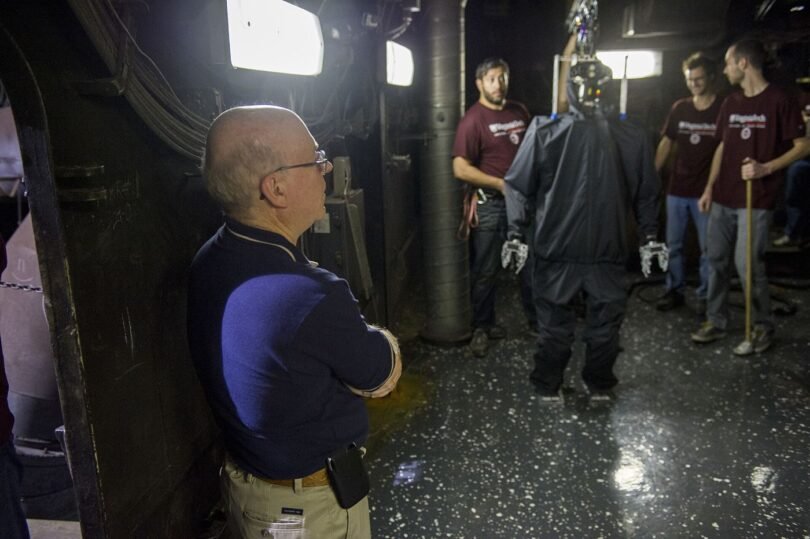
Humanoid robots are learning practical tasks in laboratory trials designed to test whether machines shaped like people can work safely in spaces built for human hands, tools and movement. Researchers are training robots to pick up varied objects, open doors, sort items and recover balance when a task does not go exactly as planned. The humanoid form is not chosen for novelty alone, because warehouses, hospitals and factories already contain stairs, handles and equipment designed around the human body. Progress remains uneven, with robots performing impressively in rehearsed demonstrations and then struggling when lighting, objects or instructions change unexpectedly. Those failures are precisely why laboratory testing matters, exposing weaknesses in perception, grip and decision making before any wider deployment near workers or the public is seriously considered by manufacturers. Public demonstrations now increasingly show the full attempt rather than edited highlights, including pauses, corrections and occasional failures, which researchers say gives a more honest picture of how close the technology really is to dependable everyday work.
What the Evidence Shows
Engineers are combining simulation with real world practice, allowing robots to attempt thousands of virtual variations of a task before trying a smaller number of physical trials. Better hands, tactile sensors and batteries are improving steadily, while software advances help machines explain and adjust their actions when an object is heavier or more fragile than expected. Safety testing covers emergency stops, collision behaviour and what happens when power or connectivity is lost mid task. Most specialists expect early commercial roles to be narrow and supervised, such as moving boxes in controlled areas, rather than general purpose household help arriving quickly. Laboratory results should therefore be read with measured optimism. Each reliable, repeatable task mastered under observation is a genuine step toward robots that can share human workspaces usefully. Investment continues to flow into the field, but timelines for widespread use remain debated, and the laboratories insist that transparent testing now matters more than racing to announce dramatic demonstrations first. Reporting and analysis from sources such as IEEE Spectrum track the same developments, and specialists following humanoid robots in laboratory testing say the direction is now consistent across independent lines of evidence.
The Wider Context
Adoption of humanoid robots in laboratory testing follows a familiar pattern with an unfamiliar speed. Early users tolerate rough edges in exchange for advantage, mainstream users arrive when the tool disappears into existing workflows, and the market consolidates around whoever made that transition feel effortless. Vendors are racing less on raw performance now than on integration, support and trust.
What Happens Next
The realistic forecast for humanoid robots in laboratory testing is steady integration rather than sudden replacement: embedded in products people already use, improving in increments, and regulated in proportion to its reach. The companies and institutions that plan on that basis, training staff and redesigning processes instead of chasing launches, are the ones the adoption data tends to vindicate. You can follow related developments in our coverage of technology.
It is also worth remembering how quickly the picture in this area has changed before. Positions that looked settled a few years ago have been revised as new data arrived, and the same humility is appropriate now. The strongest coverage of this subject, and the most useful advice, tends to come from sources that update their views openly when the facts move, rather than defending an earlier position long after it has stopped fitting the evidence available.




Leave a Comment