
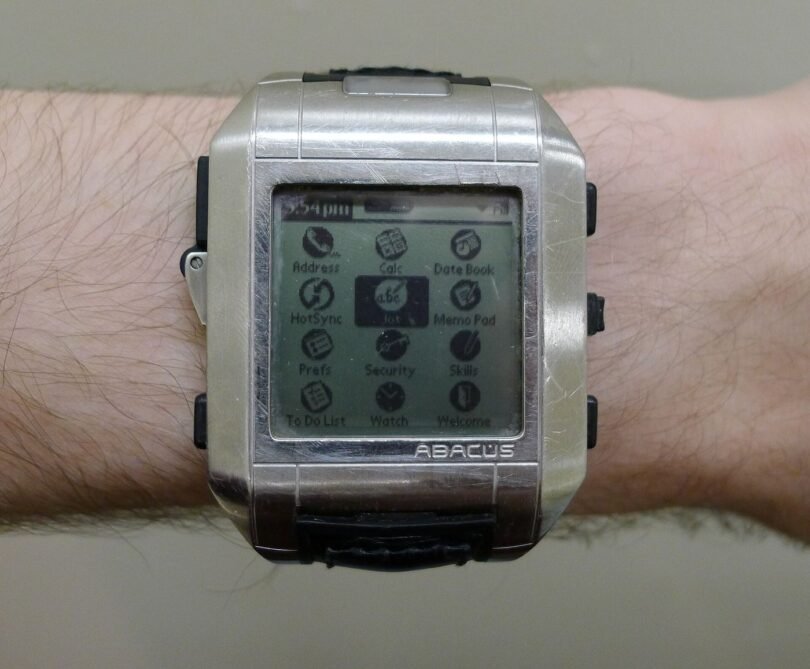
Apple’s newest watch, the Apple Watch Series 12, starts at 399 dollars and runs on the company’s new S11 chip. It arrived in a busy autumn for Apple, alongside the iPhone 18 Pro models and the company’s first foldable phone, the iPhone Duo, with the watch positioned as the everyday companion to both. The S11 chip is the heart of the upgrade, promising faster responses and better efficiency, while the watch keeps the health and safety features that have become its main selling point, from heart-rate and sleep tracking to fall detection that can call for help. For owners of older models, the question is whether the new chip and the latest sensors are enough to justify an upgrade.
What the Evidence Shows
The sensible way to judge the Series 12 is against the watch already on the wrist. Owners of a Series 9 or earlier will notice the speed and the newer health features most, while owners of a recent model may find little has changed in daily use. Battery life remains the practical limit, since a watch that needs charging every night cannot track sleep without a routine, so buyers should check the quoted battery life against their own habits. The strap and case size matter too, since a watch is worn all day and an uncomfortable one ends up in a drawer. Trade-in values for older watches are worth checking before buying, as Apple and retailers often discount the new model hardest in the first weeks after launch. Reporting and analysis from sources such as Wired track the same developments, and specialists following Apple Watch Series 12 say the direction is now consistent across independent lines of evidence.
The Wider Context
The wider context is an industry learning to ship capability and restraint together. Products built around Apple Watch Series 12 now launch with safety evaluations, usage data and rollback plans as standard, because enterprise buyers and regulators ask for them in the first meeting. Companies that treated those questions as friction are discovering they have become the purchase criteria.
What Happens Next
What happens next for Apple Watch Series 12 depends less on another breakthrough than on the unglamorous work of reliability, pricing and support. The buyers evaluating it now are not enthusiasts; they are operators with budgets and auditors, and their checklists will decide the timeline. On the evidence of the current pilots, the technology has earned the right to be judged by them. You can follow related developments in our coverage of technology.
None of this will be settled by a single announcement, study or product launch. The pattern to watch is accumulation: independent confirmations, honest reporting of failures and steady improvement in the underlying numbers. Readers who follow those signals, rather than the loudest claim of the week, will understand this subject better than most of the commentary surrounding it suggests is possible.






Leave a Comment