
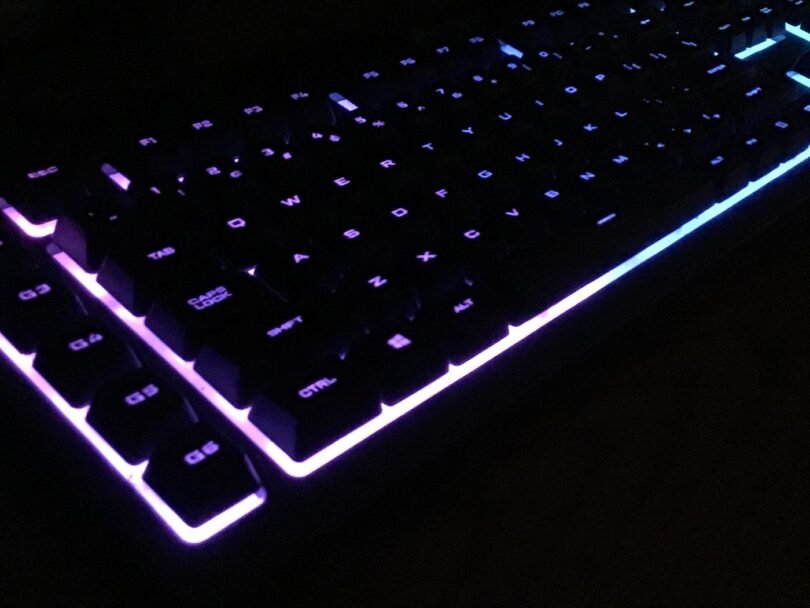
A keyboard that once cost twenty pounds can now sell for several hundred, and enthusiasts happily pay it. Mechanical keyboards, which use a separate spring-loaded switch under every key instead of a rubber membrane, have grown from a niche hobby into a market worth close to two billion dollars a year. The appeal is partly the feel: each keypress gives a crisp click or a smooth glide, and typists say the feedback is easier on the fingers during a long day at the desk. It is partly the sound too, with online videos of keyboards being typed on drawing millions of views. Brands such as Keychron, Logitech and Razer now sell ready-made models, while hobbyists build their own from parts, swapping switches, keycaps and cases the way others customise a bicycle.
What the Evidence Shows
A first mechanical keyboard should suit the desk it sits on, not the one in the photograph. The switch type matters most: linear switches move smoothly and quietly, tactile switches give a small bump as the key registers, and clicky switches add an audible click that can annoy anyone sharing the room. Size matters too, since a full-size board keeps the number pad while a compact 65 percent board saves desk space but drops keys that some users need. Hot-swappable boards let the owner change switches without soldering, which makes experimenting cheap and easy. Prices run from about forty pounds for a basic model to several hundred for a custom build, and a buyer should try the switches in a shop first, because the feel of a keyboard is personal and no review can settle it. Reporting and analysis from sources such as IEEE Spectrum track the same developments, and specialists following mechanical keyboards say the direction is now consistent across independent lines of evidence.
The Wider Context
Adoption of mechanical keyboards follows a familiar pattern with an unfamiliar speed. Early users tolerate rough edges in exchange for advantage, mainstream users arrive when the tool disappears into existing workflows, and the market consolidates around whoever made that transition feel effortless. Vendors are racing less on raw performance now than on integration, support and trust.
What Happens Next
The realistic forecast for mechanical keyboards is steady integration rather than sudden replacement: embedded in products people already use, improving in increments, and regulated in proportion to its reach. The companies and institutions that plan on that basis, training staff and redesigning processes instead of chasing launches, are the ones the adoption data tends to vindicate. You can follow related developments in our coverage of technology.
It is also worth remembering how quickly the picture in this area has changed before. Positions that looked settled a few years ago have been revised as new data arrived, and the same humility is appropriate now. The strongest coverage of this subject, and the most useful advice, tends to come from sources that update their views openly when the facts move, rather than defending an earlier position long after it has stopped fitting the evidence available.






Leave a Comment