
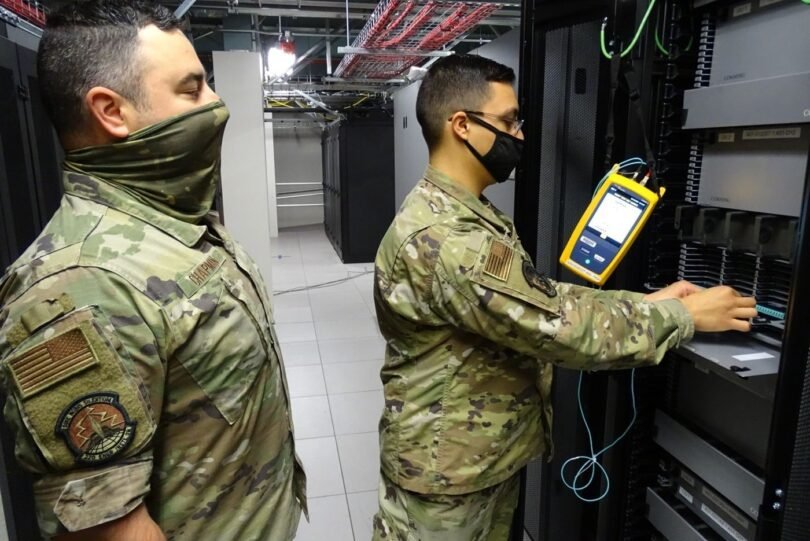
Installation teams are working through city apartment blocks to replace ageing copper connections with full-fibre broadband, bringing faster and more reliable internet to residents who have long faced the slowest speeds. Apartment buildings present particular challenges, since engineers must route delicate fibre cables through shared risers, corridors and utility spaces while coordinating access with landlords and residents. New installation methods make the work faster and less disruptive, using existing ducts where possible and compact equipment that fits older buildings. Once connected, households notice the difference in everyday activities, from stable video calls for remote work to simultaneous streaming in different rooms without buffering. Property managers increasingly treat good connectivity as essential infrastructure, comparable to heating or water, because tenants ask about broadband before signing a lease. Providers say demand is strongest in neighbourhoods where homeworking and online study are now routine. The rollout also supports wider services, including remote healthcare appointments and smart building systems that monitor energy use. Although progress varies by district, each completed building closes a small part of the urban digital divide that left apartment residents behind houses with easier installations.
What the Evidence Shows
Completing an apartment block requires as much coordination as engineering. Installers typically survey the building first, agreeing cable routes that respect fire safety rules and minimise drilling in communal areas. Residents receive connection appointments once the shared infrastructure is live, and engineers test each flat’s service before leaving. Speeds vary by package, but even entry-level full-fibre services usually offer more stable upload performance than copper, which matters for video meetings and cloud backups. Building owners benefit as well, since connected properties attract tenants and support modern entry systems, parcel lockers and energy monitoring. Costs and permissions remain the main obstacles, particularly in older blocks with multiple freeholders or unclear ownership of access routes. Government programmes in several cities now help fund these difficult installations and streamline wayleave agreements. Advocates argue the investment pays off quickly in productivity and inclusion, giving residents equal access to services that assume a reliable connection. As more blocks are completed, the expectation is shifting, and fibre-ready buildings are becoming the standard that others must match. Reporting and analysis from sources such as IEEE Spectrum track the same developments, and specialists following full-fibre apartment broadband say the direction is now consistent across independent lines of evidence.
The Wider Context
Adoption of full-fibre apartment broadband follows a familiar pattern with an unfamiliar speed. Early users tolerate rough edges in exchange for advantage, mainstream users arrive when the tool disappears into existing workflows, and the market consolidates around whoever made that transition feel effortless. Vendors are racing less on raw performance now than on integration, support and trust.
What Happens Next
The realistic forecast for full-fibre apartment broadband is steady integration rather than sudden replacement: embedded in products people already use, improving in increments, and regulated in proportion to its reach. The companies and institutions that plan on that basis, training staff and redesigning processes instead of chasing launches, are the ones the adoption data tends to vindicate. You can follow related developments in our coverage of technology.
It is also worth remembering how quickly the picture in this area has changed before. Positions that looked settled a few years ago have been revised as new data arrived, and the same humility is appropriate now. The strongest coverage of this subject, and the most useful advice, tends to come from sources that update their views openly when the facts move, rather than defending an earlier position long after it has stopped fitting the evidence available.






Leave a Comment