
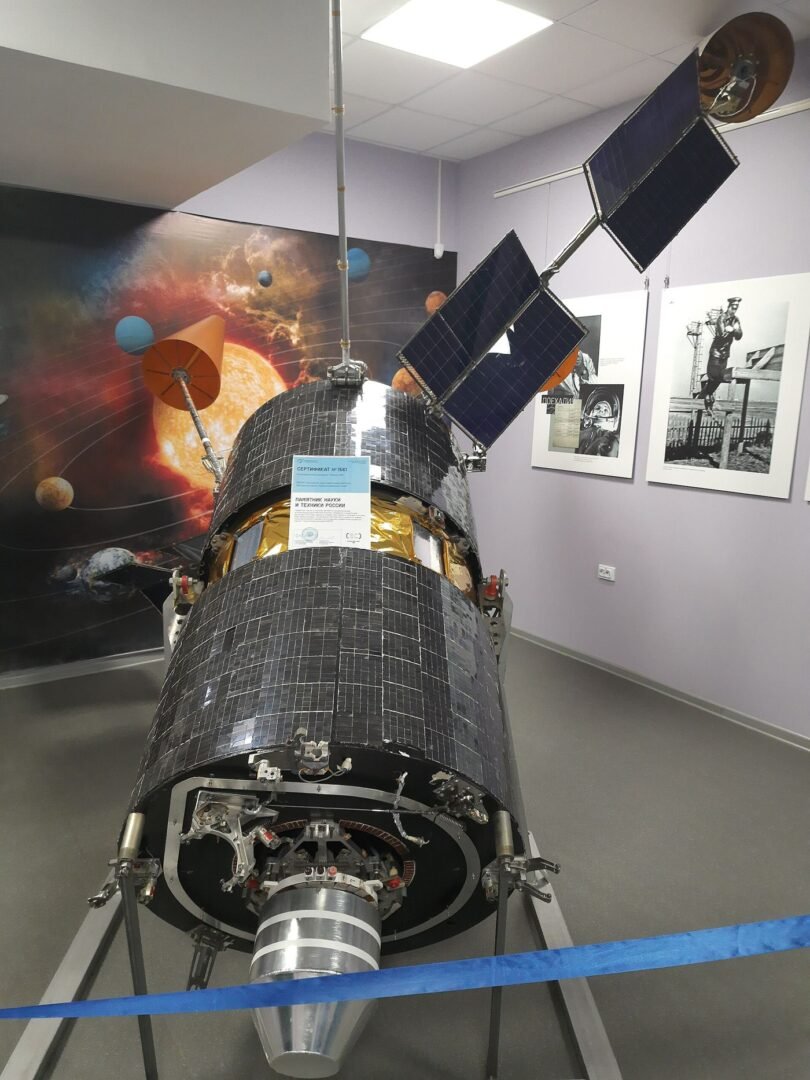
A new generation of satellite constellations is being built with an ambitious promise, delivering broadband connections directly to ordinary mobile phones in places where ground based masts have never reached. Traditional satellite phones required bulky specialist handsets, but the latest systems aim to talk to the standard hardware already sitting in billions of pockets, starting with text messages and emergency alerts. The engineering challenge is considerable, since a phone antenna is tiny, its transmitter is weak and the satellite serving it is moving rapidly across the sky hundreds of kilometres overhead in low earth orbit. To compensate, the newest satellites carry large sensitive antennas that unfold after launch, listening for faint signals and handing each connection smoothly to the next satellite as it passes out of range. Mobile operators are partnering with satellite firms rather than competing, treating orbital coverage as an extension of their networks that fills oceans, deserts, mountains and disaster zones where building towers makes little economic sense. Regulators must approve the use of mobile spectrum from space, a process that varies between countries and partly explains why services are appearing market by market instead of everywhere at once. Early services focus deliberately on reliability over speed.
What the Evidence Shows
The first widely offered features are modest by design, with emergency messaging, location sharing and basic texts proving the system before voice calls and data services are layered on top gradually. For hikers, sailors, remote workers and communities cut off by storms or earthquakes, even a simple message sent beyond the reach of any mast can be genuinely life changing in a crisis. Capacity limits are real, because each satellite covers a huge area with a finite connection budget, so direct to phone broadband will complement ground networks rather than replace them in busy cities. Astronomers and regulators continue to debate brightness, orbital congestion and collision risk as thousands more satellites join an already crowded low earth orbit environment that demands careful traffic management. Pricing models are still emerging, with some operators bundling basic satellite messaging into premium plans while charging extra for heavier use outside normal coverage areas at home or abroad. Battery impact matters too, since a phone searching for a distant satellite uses more power than one connected to a nearby tower, making thoughtful software design essential for usability. The direction, however, is unmistakable, towards a world where losing signal entirely becomes rare. Reporting and analysis from sources such as Wired track the same developments, and specialists following satellite broadband directly to phones say the direction is now consistent across independent lines of evidence.
The Wider Context
The wider context is an industry learning to ship capability and restraint together. Products built around satellite broadband directly to phones now launch with safety evaluations, usage data and rollback plans as standard, because enterprise buyers and regulators ask for them in the first meeting. Companies that treated those questions as friction are discovering they have become the purchase criteria.
What Happens Next
What happens next for satellite broadband directly to phones depends less on another breakthrough than on the unglamorous work of reliability, pricing and support. The buyers evaluating it now are not enthusiasts; they are operators with budgets and auditors, and their checklists will decide the timeline. On the evidence of the current pilots, the technology has earned the right to be judged by them. You can follow related developments in our coverage of technology.
None of this will be settled by a single announcement, study or product launch. The pattern to watch is accumulation: independent confirmations, honest reporting of failures and steady improvement in the underlying numbers. Readers who follow those signals, rather than the loudest claim of the week, will understand this subject better than most of the commentary surrounding it suggests is possible.




Leave a Comment